Oklahoma's registered producer is at Stonewall, in the rolling country of the south central part of the state, and it is the clearest example on this registry of a cow-calf ranch that decided to keep its own calves all the way to the box.
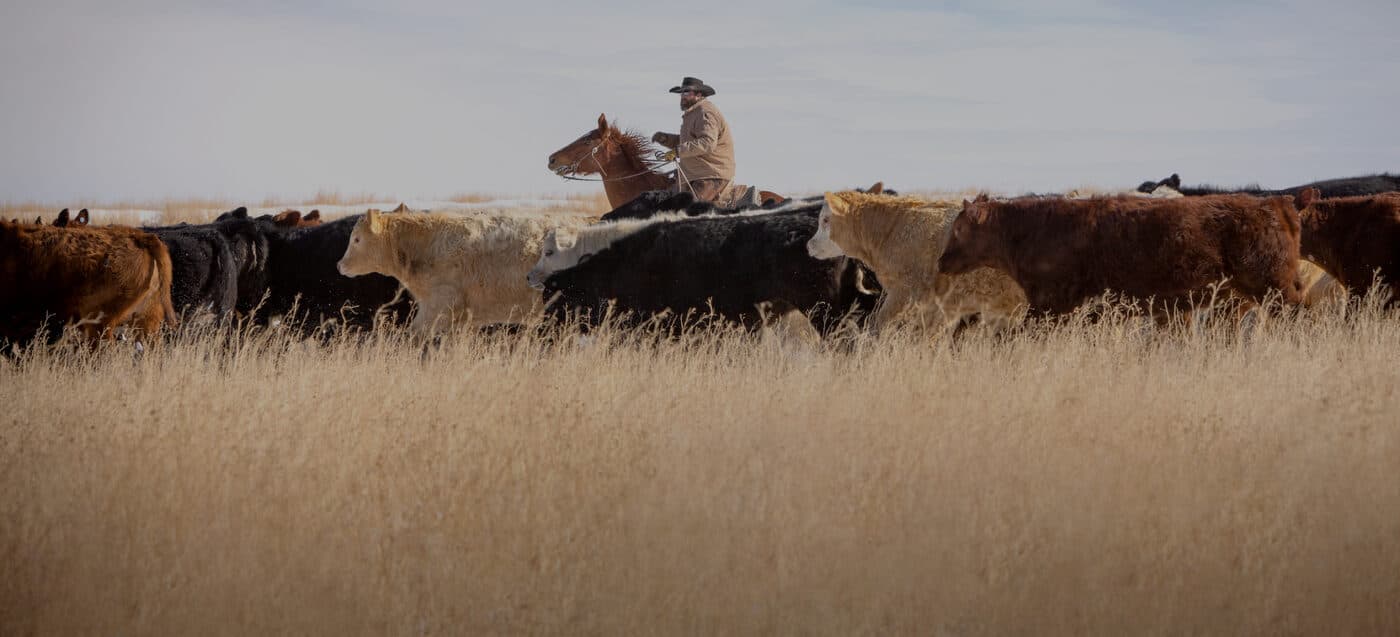
Roger and Nikki Callison are third and fourth generation ranchers. Roger grew up helping his father and grandfather with their Oklahoma herds; Nikki was raised on her parents' 2,000 acre cattle ranch. They started with 20 heifers and have more than 350 cows now, and every animal is raised on the ranch from start to finish rather than bought in to finish.
That matters for a buyer because it is the one thing a rancher who sells into the commodity chain cannot promise. The cattle are grass fed, grain finished and ranch raised throughout, with no hormones and no antibiotics, grazing open fields on fresh water their whole lives. Processing and vacuum sealing happen at a USDA plant, and the beef is dry aged 21 to 28 days, which is a longer age than most direct sellers run.
There is family history in the model itself. Nikki's grandfather Ray Tucker, an Oklahoma rancher and state representative, saw as early as 1970 that families wanted beef straight from the ranch and sold his own under the name Rancher's Beef. What an Oklahoma buyer can get today is dry aged steaks, bulk ground beef, less common cuts like tri-tip and picanha, beef sticks and broth bones, shipped from the ranch every Tuesday.
Written from what the listed ranches publish about their own operations. Availability, pricing and shipping are theirs and change without notice.