
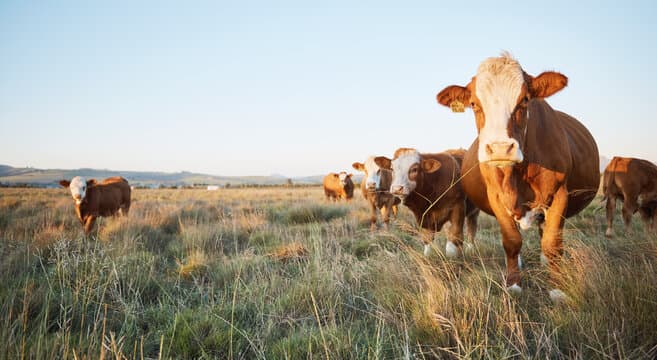
American Beef
Why buy American beef?
Because beef should have a story you can trace.
A story you can trace.
When you buy beef directly from an American rancher, you are not simply buying a steak, a roast, or a pound of ground beef. You are buying the work of a family, the product of a ranch, and the result of decisions made long before that package ever reached your freezer.
- You can ask where the cattle were born.
- You can ask where they were raised.
- You can ask what they were fed.
- You can ask where they were processed.
- And you can ask the rancher who raised them.
That kind of connection is difficult to put on a package label.
American Beef Direct exists to make that connection easier.
The label can only tell you so much.
For years, consumers could see a Product of USA statement on beef even when the animal itself had been born and raised somewhere else, provided the meat was processed in the United States. That was the labeling standard at the time, not necessarily an attempt by a grocery store or producer to mislead anyone.
The standard has since changed. Today, USDA rules require the claim to reflect where the animal was born, raised, slaughtered, and processed.
That is an important improvement.
But there is something even better than a label: knowing the ranch.
A label is a statement on a package. A relationship is something you can verify for yourself. When you know the ranch that raised your beef, you do not have to wonder what a label means. You can ask the person who raised the animal.
And that is where buying American beef becomes more than a country of origin question. It becomes a question of trust.
What you can know when you know the ranch.
Every ranch has a story. Every animal has a journey. And every producer makes decisions that shape the beef that eventually reaches your table. When you buy directly from a producer, you can learn the details that matter.
Where was the animal raised?
Some ranchers raise their cattle from birth to harvest. Others purchase animals from other ranches or work with trusted partner producers. Those distinctions matter, and a direct relationship gives you the opportunity to understand them.
What was the animal fed?
Grass fed. Grass finished. Grain finished. Locally grown feed. A combination of feeds.
There is no single right answer for everyone. What matters is that you know what you are buying and can choose the producer whose practices fit your expectations.
Where was it processed?
You can learn whether your beef was processed at a USDA inspected facility, a state inspected facility, or another qualified processor, and understand how that fits into the ranch's operation.
How was the beef aged?
Aging can make a meaningful difference in tenderness, flavor, and overall eating experience. Many ranchers are proud of how they handle this part of the process, from two weeks to nearly a month or more.
These are not just marketing claims. They are questions you can ask and facts you can verify. That is the advantage of knowing your rancher.
Buy the way that makes sense for you.
Buying directly from a ranch does not always mean buying a quarter, half, or whole beef. And it does not have to mean filling a freezer. Ranchers offer beef in different ways because consumers have different needs.
Beef shares
Buying a larger share of an animal can provide excellent value because you are purchasing a broad selection of cuts, not just the steaks and other premium cuts that command the highest individual prices.
You will get the roasts, ground beef, steaks, shanks, and other cuts that make up the whole animal. It can be an economical way to stock your freezer, particularly for families who regularly eat beef.
Boxes and bundles
For many people, this is the easiest place to start.
Ranchers commonly offer curated boxes or bundles containing a variety of cuts at a set price. You get to experience the ranch's beef without committing to a large freezer purchase or choosing every cut yourself.
Individual cuts
You can also buy individual steaks, roasts, ground beef, and other cuts directly from many ranchers.
And let us be honest:
Buying premium beef directly from a ranch is not always cheaper than buying commodity beef at the grocery store.
Nor should it be. A hand cut, carefully aged, grass finished ribeye from a family ranch is a different product from commodity beef sold through a national distribution chain.
The value is not simply in getting a cheaper steak. The value is knowing where it came from, who raised it, and what you are supporting when you buy it.
Where your money goes matters.
Every time you buy beef, your money travels through a supply chain. In the conventional system, that may include the rancher, feedlot, processor, distributor, transportation companies, wholesalers, retailers, and others before the beef reaches your table.
Every one of those businesses performs an important job. But every step also represents another part of the final price, and another distance between you and the person who raised the animal.
Buying directly changes that relationship. Your money goes more directly to the rancher. The rancher pays the processor and other local businesses involved in getting the beef from the pasture to your table.
And in many cases, more of that economic activity stays close to home.
- Local processors.
- Local feed suppliers.
- Local transportation.
- Local ranch families.
- Local rural communities.
When you buy from an independent ranch, you are not just purchasing beef. You are helping support an American agricultural business.
You are buying more than beef.
A ranch is more than land and livestock.
It is early mornings, long days, broken fences, calving seasons, drought, weather, equipment repairs, feed bills, market swings, and generations of knowledge. It is families who choose to keep working the land when there are easier ways to make a living.
When you buy directly from one of those ranchers, you help create something that the commodity system cannot always provide: a direct relationship between the person who raises the food and the person who eats it.
And that relationship matters. A rancher who knows the families buying their beef has something valuable, a customer base they can build, serve, and grow.
They are not simply selling into a market and accepting whatever price the market provides. They are building a business around their own product.
Independence matters.
American agriculture depends on thousands of independent cattle producers.
But the beef industry is also highly concentrated at the processing level. That concentration creates efficiency, but it can make it difficult for smaller ranches to control their own destiny.
Direct to consumer beef gives independent producers another path.
- They can raise their cattle.
- They can develop their own products.
- They can establish their own prices.
- They can build relationships with their customers.
- And they can keep more control over the business they have worked so hard to build.
That is one of the reasons American Beef Direct exists.
We believe consumers should have an easier way to find American beef producers, and American ranchers should have an easier way to be found.
- We do not sell the beef.
- We do not take your order.
- We do not process your payment.
- We do not put ourselves between you and the rancher.
We help you find the rancher. Then you decide who you want to know, who you want to support, and whose beef you want on your table.
Know your beef. Know your rancher.
American Beef Direct was created around a simple idea:
American consumers deserve an easier way to find the people raising American beef.
- Not another marketplace.
- Not another middleman.
- Not another place to place a beef order.
A national registry connecting consumers with independent American beef producers, so you can explore their stories, learn how they raise their cattle, and decide for yourself which ranch is the right fit.
Because at the end of the day, the most meaningful label is not always printed on the package. Sometimes, it is the name of the ranch.
- Know where it comes from.
- Support American ranchers.
- Buy direct.
- Build a relationship.
That is what buying American beef can mean.
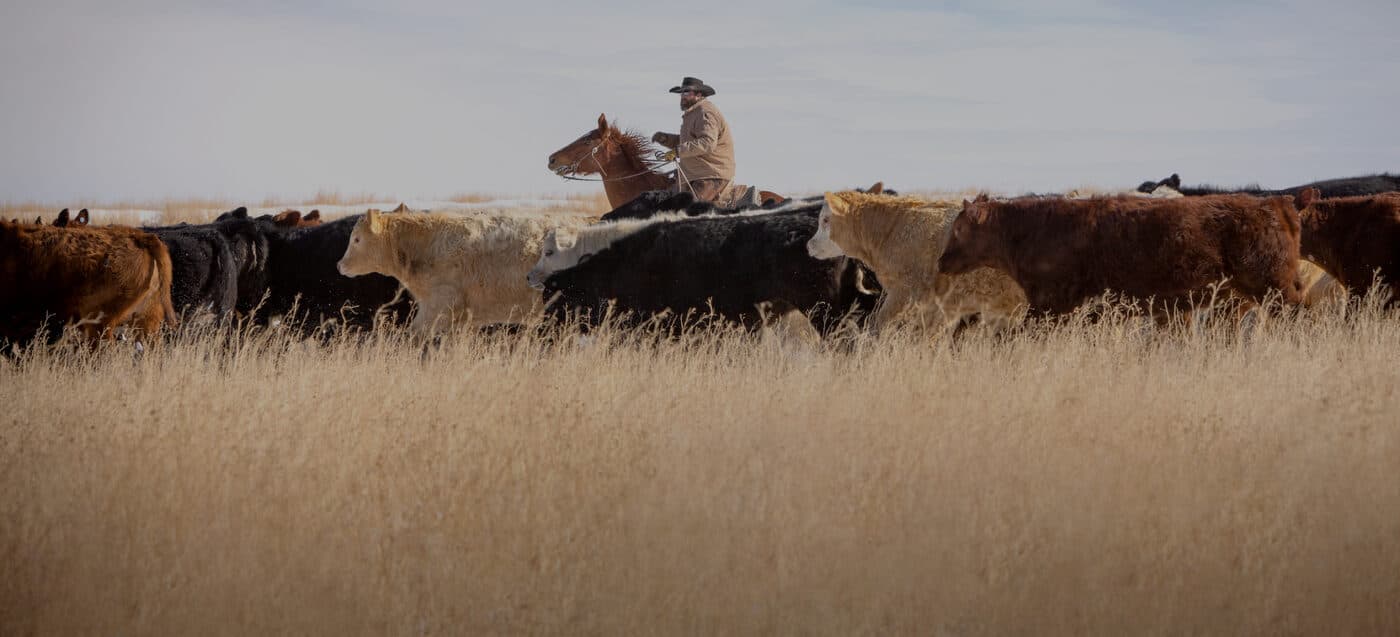
Find the ranch. Know the story. Buy direct.
Every profile records what the ranch raises, how it finishes, where it processes and how it ages, and links to the ranch's own store.