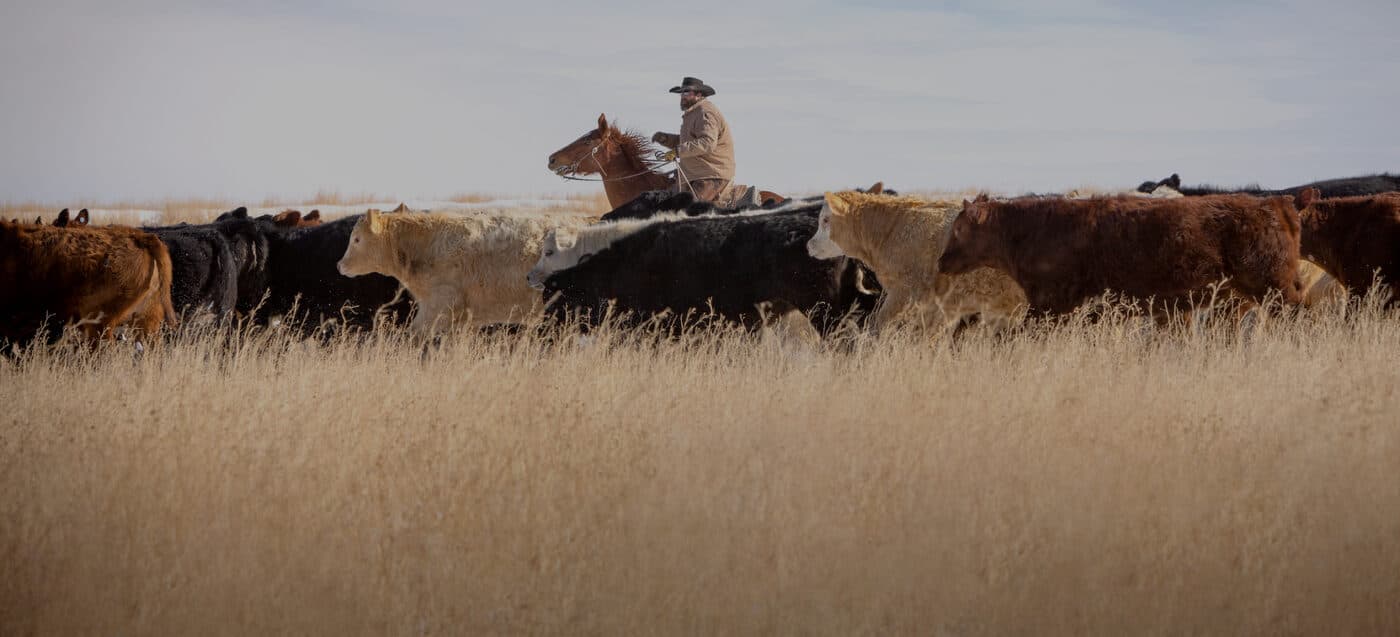
What does grass fed mean?
Grass fed means the cattle ate grass and other forage, such as hay. Almost all beef cattle start life on grass and pasture, so on its own the phrase does not tell you whether the animal was finished on grain in its last months. Producers who mean the whole life on grass usually say 100 percent grass fed or grass finished.
What does grass finished mean?
Grass finished means the animal ate grass and forage right through the finishing period, the last months before harvest when cattle put on most of their fat, with no grain ration. Grass finished beef is typically leaner, with a more pronounced flavor, and it cooks faster: lower heat, less time, and a rest before slicing.
What is the difference between grass fed and grass finished beef?
Grass fed describes the diet for some or all of the animal's life; grass finished describes the diet at the end. A grass fed animal may have been finished on grain. A grass finished animal was on grass and forage to the end. So all grass finished beef is grass fed, but not all grass fed beef is grass finished.
Neither is a trick, and grain finished beef, with more marbling, is what many people prefer. You simply want to know which you are buying. On American Beef Direct, every profile records how the ranch finishes its cattle, in the ranch's own words.
What is pasture raised beef?
Pasture raised means the cattle spent their lives grazing on pasture rather than confined in a feedlot. There is no single federal definition specific to beef, so the phrase tells you about the setting more than the diet: pasture raised cattle may be grass finished, or brought onto grain at the end. Ask the producer how long the cattle are on pasture and what they are finished on.
What is American raised beef?
American raised beef comes from cattle raised in the United States. The strongest version of the claim is born, raised and harvested in America. On grocery labels, mandatory country of origin labeling for beef was repealed in 2015, and for years Product of USA could appear on beef that was only processed here. Since January 1, 2026, USDA has required beef carrying the voluntary Product of USA or Made in USA claim to come from animals born, raised, harvested and processed in the United States.
Buying direct from an American farm or ranch is the simplest way to be sure: you can ask where the animal was born and raised.
How do I know where my beef comes from, or where it was raised?
Buy from a producer you can ask. A farm or ranch selling direct can tell you whether the calf was born on the place or bought in, where it grazed, what it was finished on, and which processor harvested it. Every American Beef Direct profile names the ranch, its town and how it raises and finishes its cattle, written from the ranch's own material.
At the store, look for a born, raised and harvested in the USA claim or a Product of USA label, and remember that a brand name or a picture of a ranch on a package is not the same thing as knowing the ranch.
General guidance for buyers, not advice about any one producer. Weights, yields and freezer space are approximate and vary by animal and cut sheet, and every price is set by the producer. American Beef Direct sells no beef.